Formats
Rigid box or folding carton: how to choose
Almost every custom packaging brief comes down to this question first, and it decides cost, minimums, lead time and freight before a single finish is chosen. The two formats are not competing versions of the same thing. They solve different problems, and the expensive mistake is choosing the prestigious one when the product only needed the practical one.
By the Luxel Pac team · 8 min read · Updated August 2026
The short answer
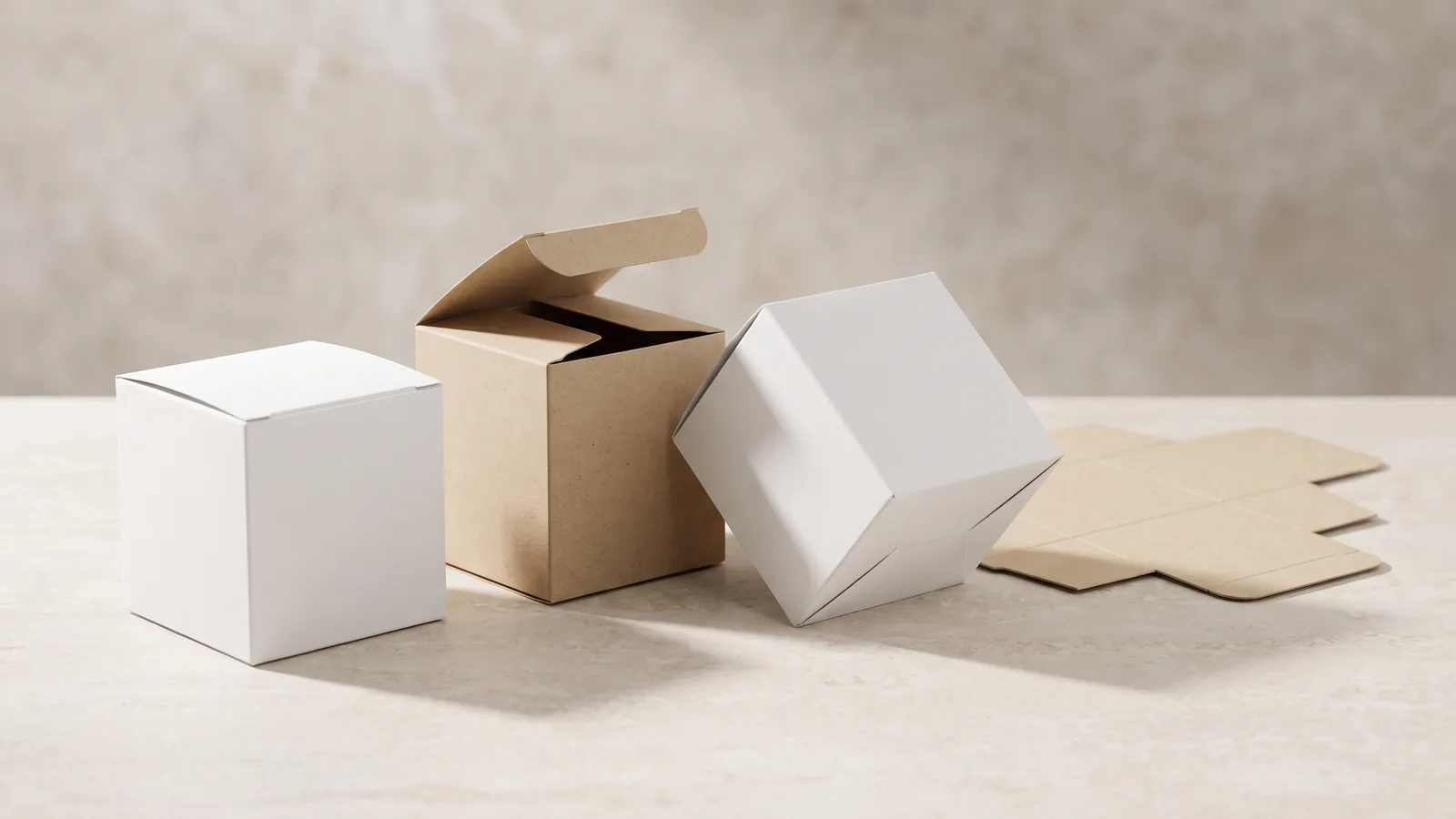
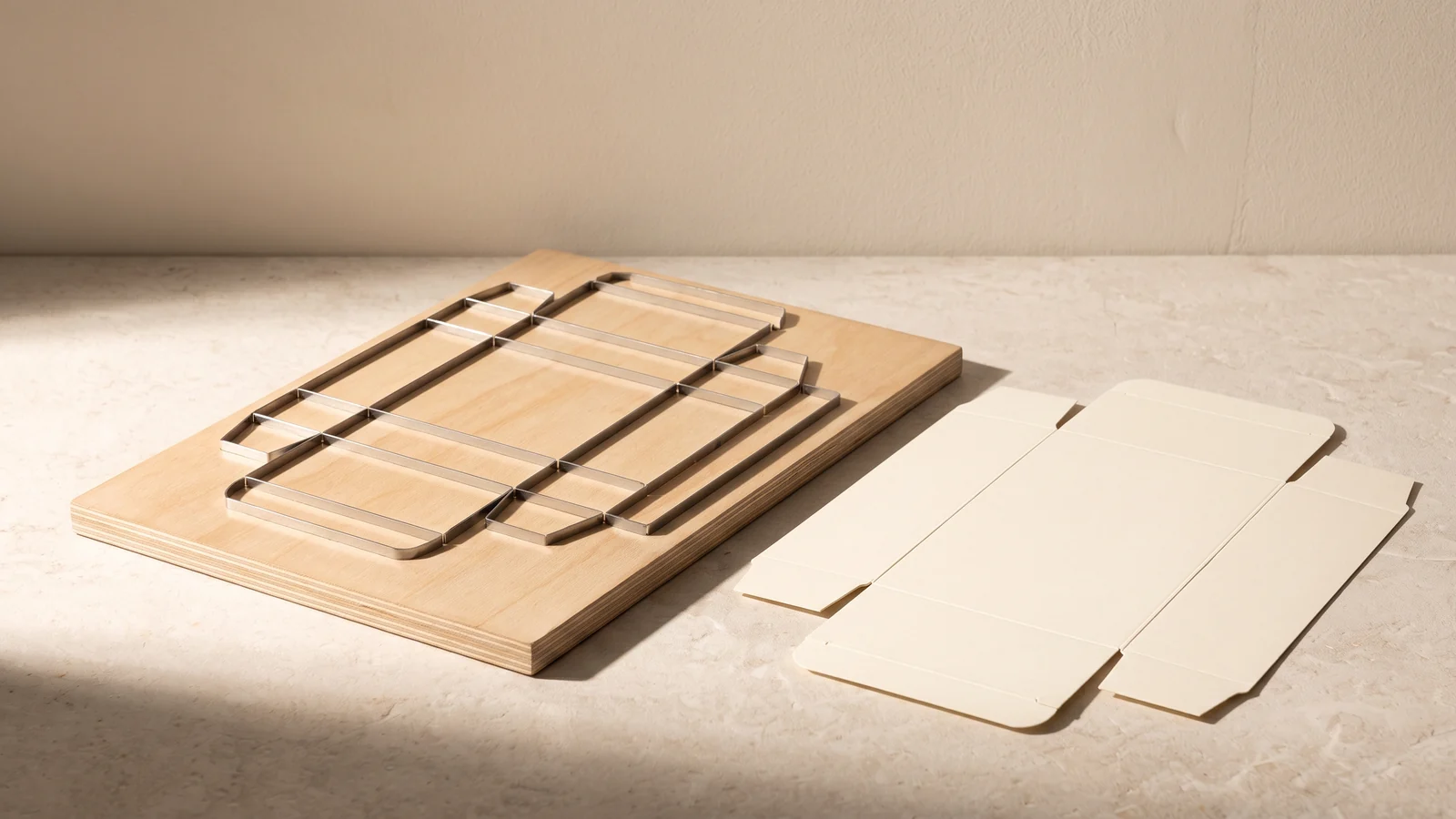
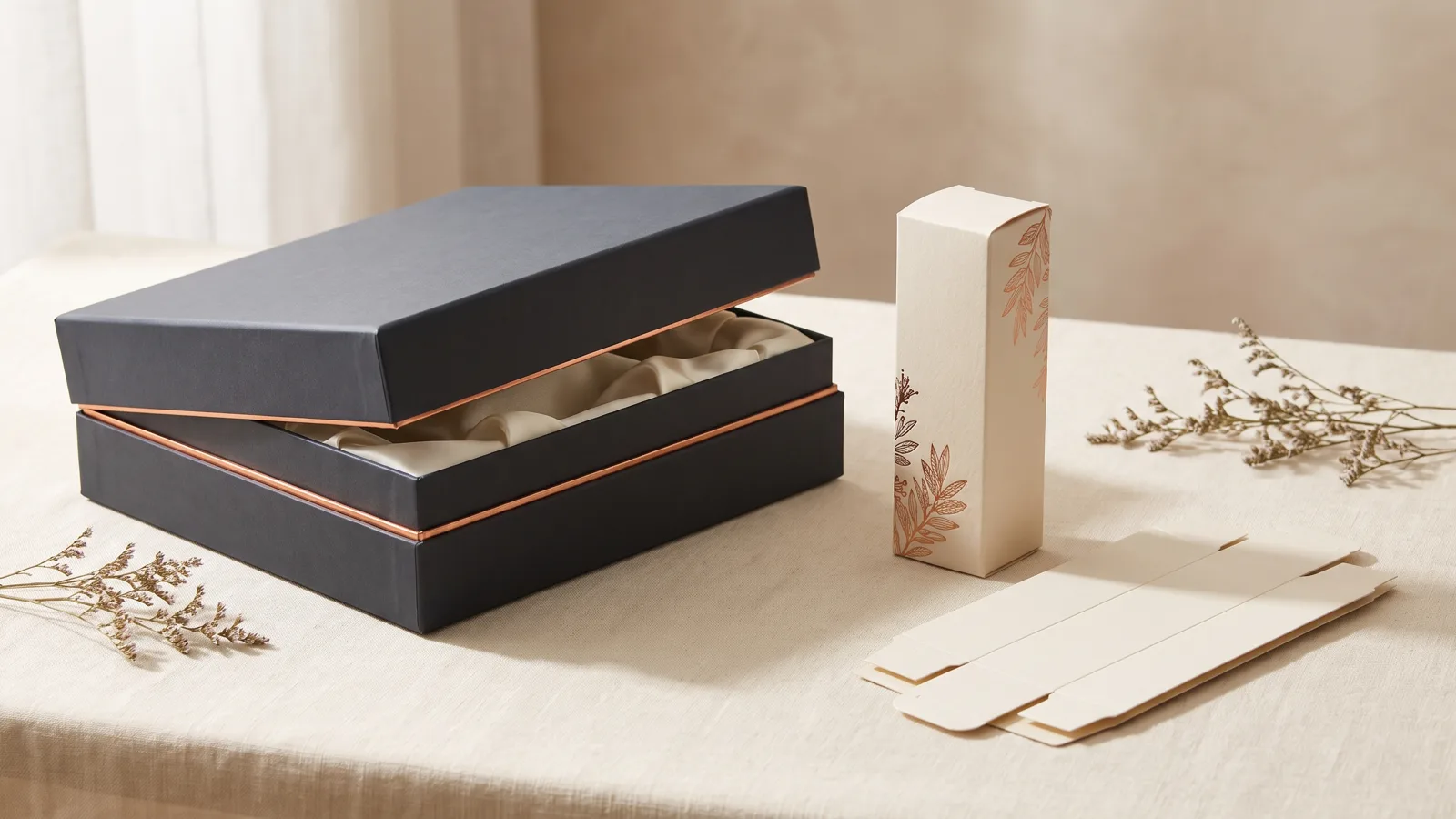
A folding carton is printed board, die-cut and creased, that ships flat and is folded or glued into shape. A rigid box is built from thick greyboard, wrapped in paper or fabric, and arrives already assembled. The carton dresses a product on a shelf. The rigid box stages an object. If your customer will keep the box, it should probably be rigid. If they will open it and recycle it, it should probably be a carton.
Compared, side by side
| Folding carton | Rigid box | |
|---|---|---|
| Construction | Printed board, die-cut and creased | Greyboard core, wrapped in paper or fabric |
| Board thickness | Roughly 300 to 450 gsm | Roughly 1.5 to 3 mm greyboard |
| Arrives | Flat, folded on your line or by hand | Fully assembled, or collapsible by design |
| Relative unit cost | Baseline | 5 to 8 times a carton |
| Typical minimum | Around 10,000 units | From 1,000 units |
| Production time | 4 to 6 weeks | 4 to 6 weeks |
| Shipping volume | Very efficient, ships flat | Bulky unless collapsible |
| Perceived value | Retail quality | Gift and keepsake quality |
| Best for | Shelf presence at volume | Launches, editions, unboxing |
The minimum order surprise
Most people assume the cheaper format has the lower minimum. It is the other way round. A folding carton needs a cutting die and a print run long enough to justify make-ready on press, which pushes minimums up, commonly to around 10,000 units. A rigid box is hand-finished, so shorter runs stay viable and minimums start at 1,000. A brand launching a limited edition of 2,000 units frequently finds the rigid box is the only format available to it, and that the format it assumed was aspirational is simply the one that fits the run.
Where freight changes the maths
Unit price is not landed cost. Cartons ship flat and take very little volume, so freight barely moves the total. Assembled rigid boxes ship air, and on a long sea route that volume becomes real money. Two ways to manage it: specify a collapsible rigid box, which folds for transport and is erected on arrival while keeping the wrapped rigid feel, or plan the freight deliberately. Published lead times and freight options make that easy to model before you commit.
Finishing: what each format takes well
Both accept the full luxury repertoire, but they carry it differently. Offset printing on carton gives photographic images and precise colour across a large printed area. A rigid box is usually wrapped in a specialty paper chosen for texture rather than printed all over, so its effects are concentrated: foil on the lid, a blind emboss, a lining that appears at the moment of opening.
- Hot foil stamping: excellent on both, most striking on a wrapped rigid lid.
- Blind emboss and deboss: works on both; deeper relief is possible on rigid board.
- Soft-touch lamination: the category signature, common on both.
- Spot UV: needs a printed surface, so it favours cartons and printed wraps.
- Full-surface photographic print: a carton strength.
- Fabric, leatherette and specialty wraps: rigid only.
- Fitted cradles and thermoformed inserts: possible in both, structurally happier in rigid.
Choosing by product
| Product | Usual format | Why |
|---|---|---|
| Fragrance, retail line | Folding carton | Shelf presence at volume, photographic print |
| Fragrance, launch or coffret | Rigid box | Fitted cradle, staged reveal, kept afterwards |
| Skincare, everyday range | Folding carton | High volume, unit cost matters |
| Jewellery and watches | Rigid box | Protection, weight, the box is part of the purchase |
| Chocolate and confectionery | Either | Carton for retail bars, rigid for gift and seasonal boxes |
| Electronics and accessories | Rigid box | Structure, inserts, unboxing expectation |
| Limited editions and press kits | Rigid box | Short runs, keepsake value |
When to use both
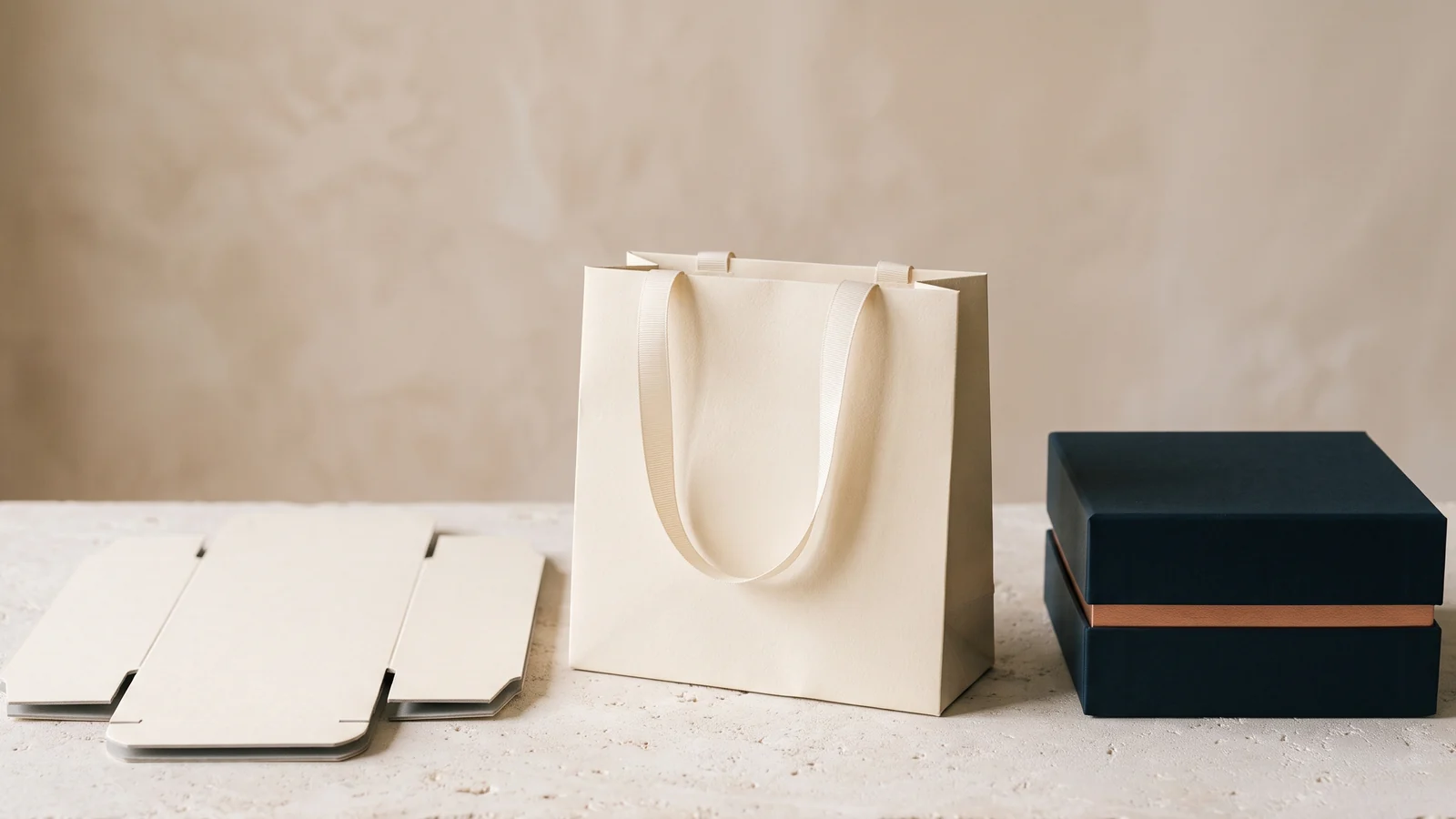
Mature brands rarely choose once. The everyday range runs in cartons where volume and unit cost decide, and the launches, gift sets and seasonal editions run in rigid boxes where the object is meant to be kept. Specifying them together, in the same materials and finishes, is what makes a range look coherent on a shelf, and it lets a manufacturer consolidate production runs.
Choose the format the product needs, not the one that sounds most expensive. A well-made carton beats a rigid box specified out of ambition and paid for out of margin.
What to send a manufacturer
- The product itself, or its exact dimensions and weight.
- Quantity, and whether it repeats or is one edition.
- Where it will be seen: shelf, e-commerce, gifting, press.
- Whether the customer is meant to keep the packaging.
- Target unit cost, and any fixed launch date.
- Artwork or a dieline if you have one, though a good manufacturer can start without.
With that, any competent manufacturer can tell you which format your brief actually calls for. If you are still weighing suppliers rather than formats, our guide to luxury packaging manufacturers maps the landscape region by region.
Frequently asked questions
What is the difference between a rigid box and a folding carton?
A folding carton is printed board that is die-cut, creased and shipped flat, then folded into shape. A rigid box is built from thick greyboard wrapped in paper or fabric and arrives assembled. Cartons suit shelf retail at volume; rigid boxes suit launches, gifting and anything the customer keeps.
Which is cheaper, a rigid box or a folding carton?
Per unit, the folding carton, by roughly 5 to 8 times. But cartons carry higher minimums, around 10,000 units against 1,000 for rigid boxes, so on a short run the rigid box is often the cheaper total order and sometimes the only viable one.
Do rigid boxes cost more to ship?
Yes. Cartons ship flat and take almost no volume, while assembled rigid boxes ship air. On long sea routes that volume is a real cost. A collapsible rigid box folds for transport and is erected on arrival, keeping the rigid feel while cutting freight volume.
What is the minimum order quantity for each format?
It varies by manufacturer, size and finish. As a working rule, rigid boxes start near 1,000 units and folding cartons near 10,000, because cartons need a cutting die and a press run long enough to justify make-ready.
Can one product use both formats?
Frequently, and it is the mature approach. The everyday range runs in cartons where unit cost decides, while launches, gift sets and seasonal editions run in rigid boxes. Specifying both in the same materials and finishes keeps the range coherent.